The Secret to Removing Rust Stains from Outdoor Paver Tiles
Outdoor entertaining areas across the Sunshine Coast are designed for lifestyle, connecting indoor living with lush subtropical gardens, pool surrounds, and alfresco patios. However, the region’s humid climate, seasonal downpours, and salty coastal breezes create the ideal catalyst for severe rust staining on outdoor paver tiles. Whether caused by corroding outdoor furniture feet, metal garden pots, iron-rich bore water irrigation, or granular lawn fertilisers containing iron sulphate, rust penetrates deep into the capillaries of concrete, travertine, and sandstone paving.
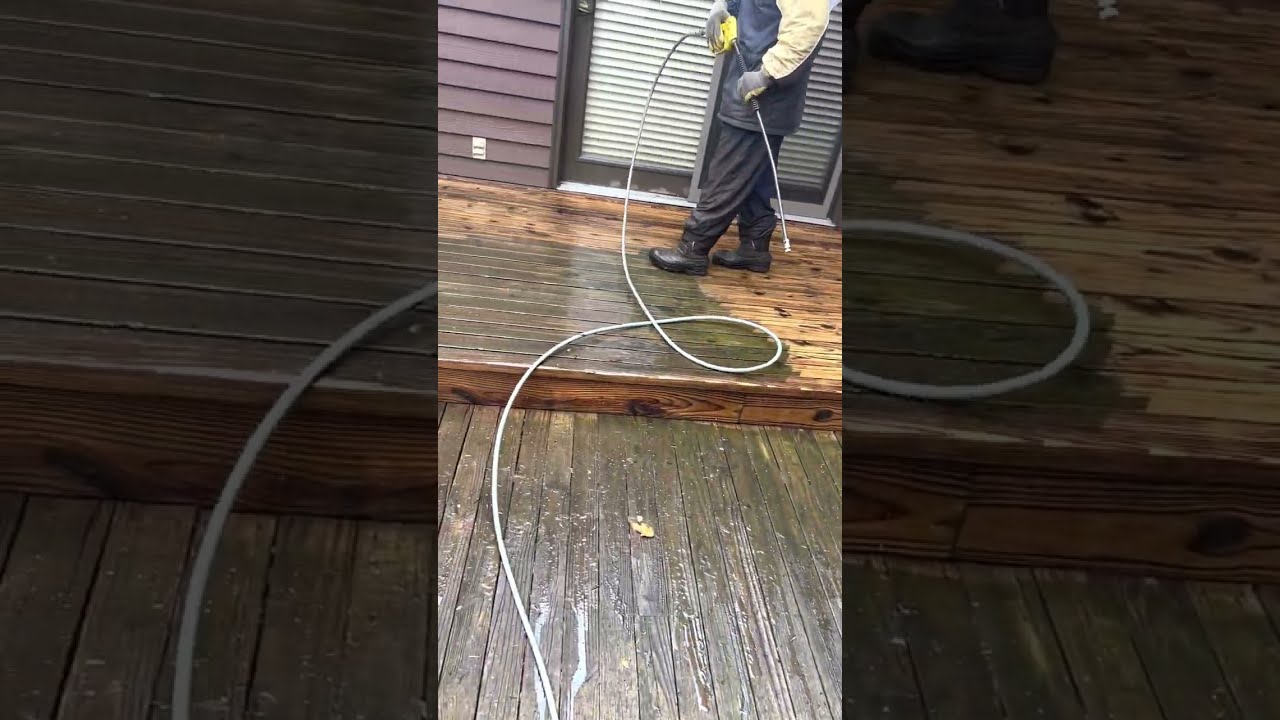
Many Sunshine Coast property owners make the mistake of attacking these stubborn orange marks with standard high-pressure water blasting or household chlorine bleach. Pressure washing alone cannot break the chemical bond of oxidized iron, while bleach actually oxidizes iron further, intensifying the stain. The real secret to permanently removing rust stains lies in targeted chemical reduction—specifically, the controlled use of oxalic acid.
Understanding the Chemistry of Rust on Porous Pavers
Rust is iron oxide, a compound that chemically bonds to the minerals inside porous outdoor tiles. When moisture and oxygen contact exposed iron, oxidation occurs. In coastal environments from Caloundra to Noosa, airborne salts accelerate this process substantially. Once iron oxide washes onto paving, it seeps into the microscopic pores of the stone.

Standard degreasers and alkaline surface cleaners do not react with iron oxide. To lift the stain completely without eroding the paver matrix, you must introduce an acid-based chelating agent. Oxalic acid converts insoluble iron oxide into water-soluble iron oxalate, which can be effortlessly rinsed away without scarring or pitting the paver surface.
The Step-by-Step Method for Safe Rust Eradication
Restoring stained paving requires careful preparation to protect surrounding garden beds and maintain the integrity of the stone. Follow this professional protocol to safely dissolve stubborn rust blemishes:
- Surface Preparation: Sweep away loose dirt, leaves, and organic debris. Thoroughly pre-wet the pavers and surrounding turf with fresh water to prevent the cleaning chemical from soaking into unintended zones.
- Chemical Application: Mix an oxalic-acid-based masonry cleaner according to the manufacturer’s dilution ratio. Apply the solution evenly across the affected paver using a dedicated chemical-resistant pump sprayer or soft-bristle nylon brush.
- Dwell Time: Allow the solution to dwell on the stain for 10 to 15 minutes. Do not allow the chemical to dry out on the paver; mist lightly with fresh water if working under direct Queensland sunlight.
- Gentle Agitation: Lightly agitate the stain with a stiff nylon brush to help the solution penetrate deep into the stone texture. Avoid using wire brushes, as metal bristles can break off and create new rust deposits.
- Neutralisation and Rinsing: Flush the surface thoroughly using low-to-medium water pressure. Rinse with a mild alkaline solution (such as baking soda dissolved in water) to neutralise any leftover acid before the final rinse.
Crucial Considerations for Sensitive Natural Stone
While concrete, clay, and dense granite pavers respond exceptionally well to oxalic treatments, extreme caution is necessary when working with acid-sensitive surfaces such as limestone, honed marble, or certain soft sandstones. Acidic cleaners can quickly etch calcium-based stones, stripping away surface polish and creating a cloudy, damaged finish.
For delicate natural stones, professionals utilise pH-neutral rust converters. These specialized chelating formulas safely encapsulate iron particles without reacting with the calcium carbonate structure of the tile, preserving the structural integrity and natural aesthetics of luxury paving.
Preventing Future Rust Contamination
Once your patio pavers are restored, taking proactive steps will keep rust from reappearing during the humid summer wet season. Sunshine Coast homes benefit greatly from modern preventative maintenance standards:

- Install protective furniture glides: Fit high-density rubber or nylon pads underneath outdoor metal chairs, sun lounges, and barbecue frames to eliminate direct metal-to-stone contact.
- Apply slow-release fertilisers with care: Sweep walkways immediately after feeding turf, as lawn fertilizers containing iron sulphate produce instant rust spots when activated by moisture.
- Seal your paving: Apply a high-grade penetrating, breathable silane-siloxane sealer to block water intake and prevent foreign contaminants from sinking below the tile surface.
Professional Restoration and Sealing Services
Severe rust stains that have lingered for years often run deep through porous paving, demanding industrial-grade extraction and specialized neutralising equipment. Professional exterior cleaning and stone restoration specialists throughout the Sunshine Coast possess the technical expertise, commercial-grade non-etching chelation solutions, and recovery https://cashxmra236.northstarcolumn.com/posts/can-pressure-washing-damage-solar-panels-on-your-roof vacuum systems needed to return your alfresco pavers to pristine condition without risking damage to your stone or surrounding landscaping.
House Washing Sunshine Coast
(07) 5241 4915